
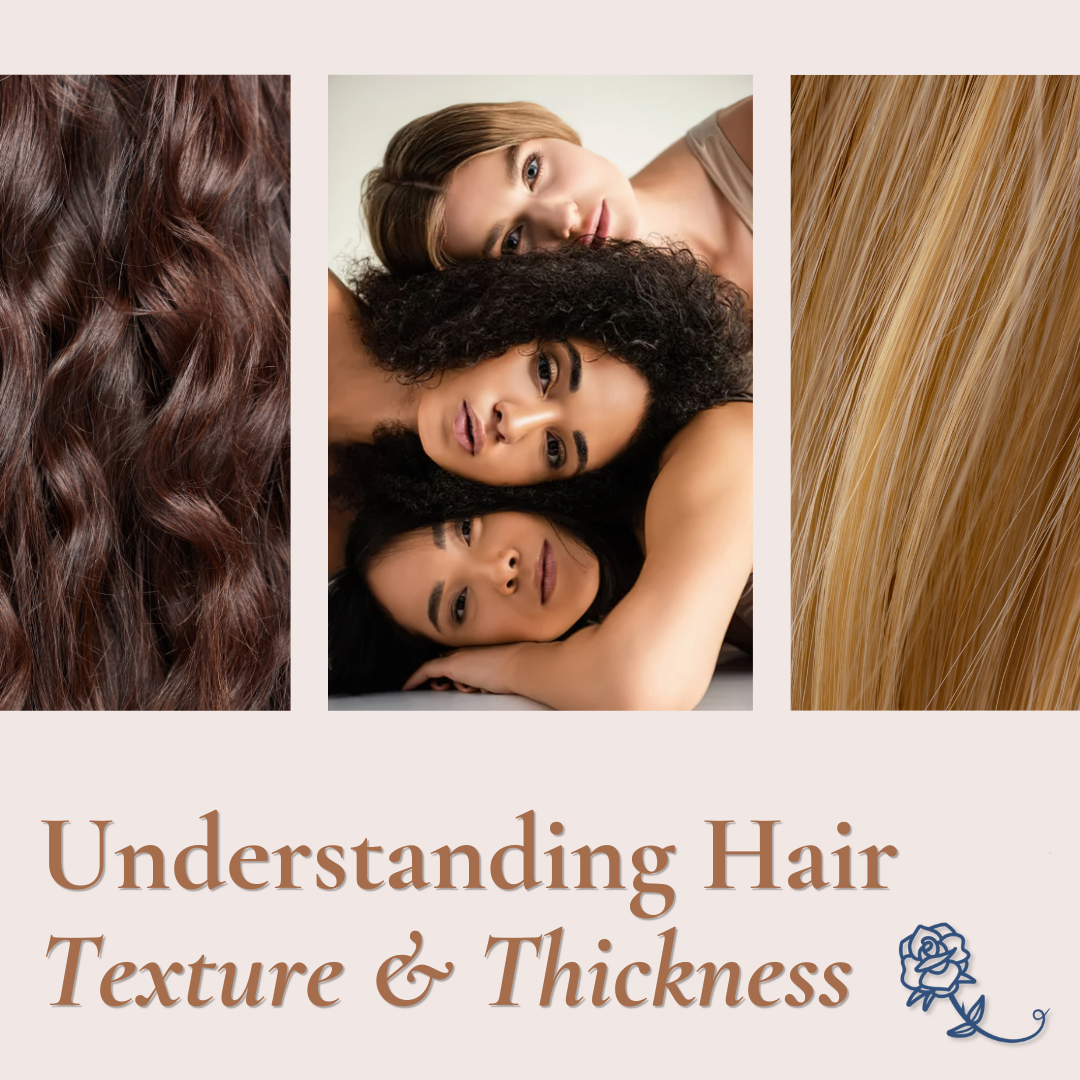
If you’ve ever shown a photo to your stylist and thought, “Why doesn’t my hair look like that?” — you’re not alone.
One of the biggest reasons styles, colors, and products work beautifully for some people and fall flat for others comes down to two often-confused factors: hair texture and hair thickness.
Understanding the difference between the two can completely change how you approach haircuts, color, treatments, and even extensions.
Let’s break it down in a way that actually makes sense.
Hair Texture: Your Natural Pattern
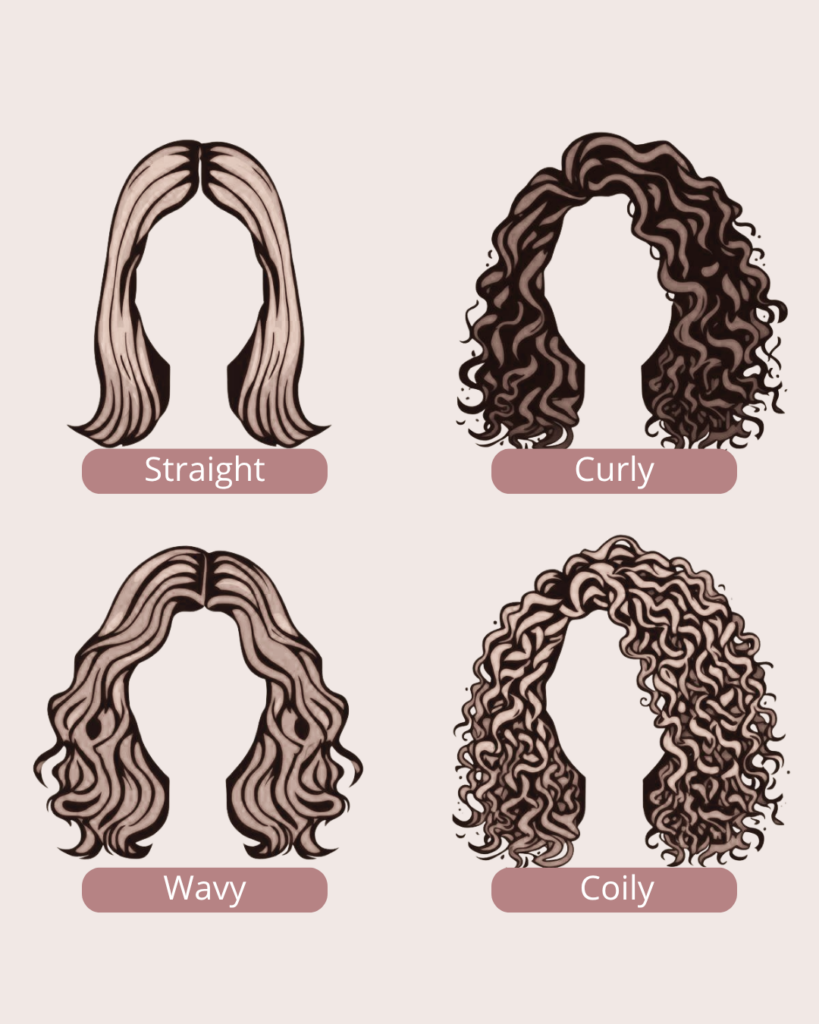
Hair texture refers to the natural shape or pattern of your hair strand. This is the part of your hair that determines how it falls, moves, and behaves day to day.
Most hair falls into one of these categories:
- Straight
- Wavy
- Curly
- Coily
Your texture affects everything from how much moisture your hair needs to how it responds to cutting and styling.
For example, curls naturally require more hydration, while straight hair tends to show oil and buildup more quickly.
It’s also important to know that texture isn’t static. Hormones, health changes, aging, and chemical services can all shift how your hair behaves over time.
Hair Thickness: The Size of Each Strand
Hair thickness describes how fine or coarse each individual strand is — not how much hair you have overall.
Common thickness categories include:
- Fine
- Medium
- Coarse
This matters more than most people realize. Thickness impacts:
- How color absorbs and fades
- How long styles hold
- How lightweight or heavy products feel
- Whether extensions are a good fit (and which type)
Fine hair often needs lighter techniques and products to avoid looking flat, while coarse hair usually thrives with richer moisture and more structured shaping.
Quick note: Thickness is different from density, which refers to how much hair you have on your head overall. You can have fine hair and a lot of it — or coarse hair with lower density.
Common Hair Type Combinations (and What Works Best)
Most people don’t fit into just one category — it’s the combination that matters.
Fine Hair
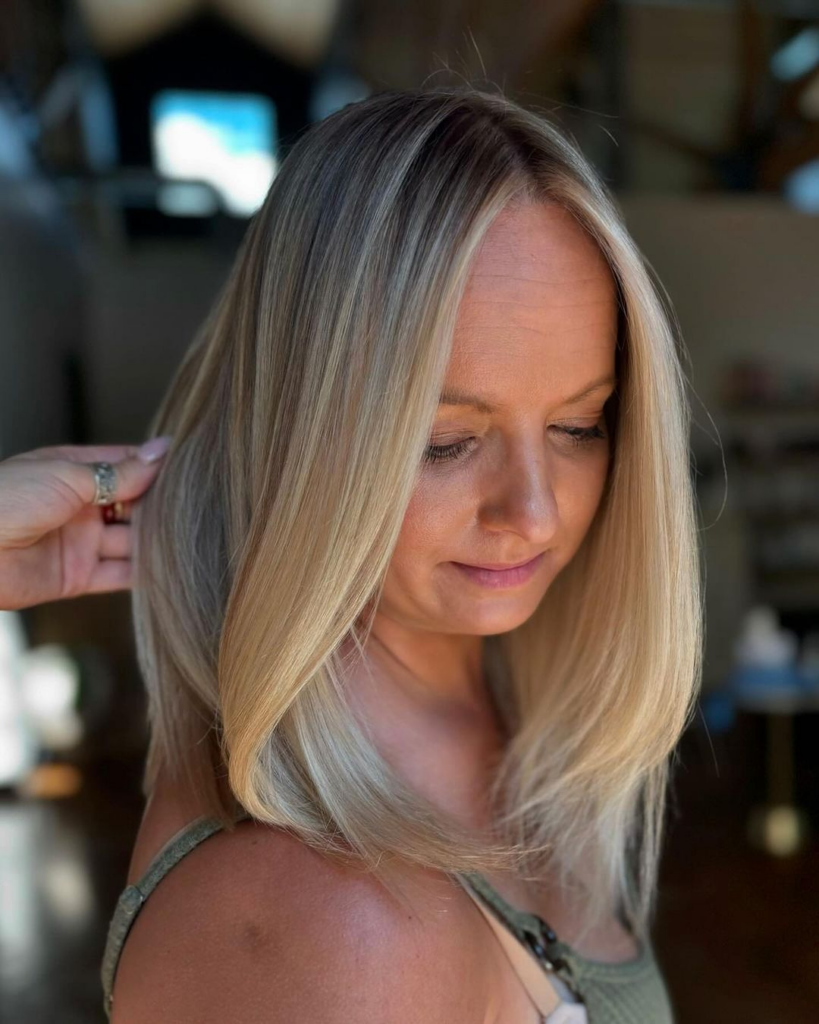
- Benefits from blunt or softly layered cuts
- Lighter color techniques help maintain fullness
- Too much weight or heavy product can overwhelm it
Medium Hair
- The most versatile
- Holds styles well and adapts to many color techniques
- Still needs customization based on texture
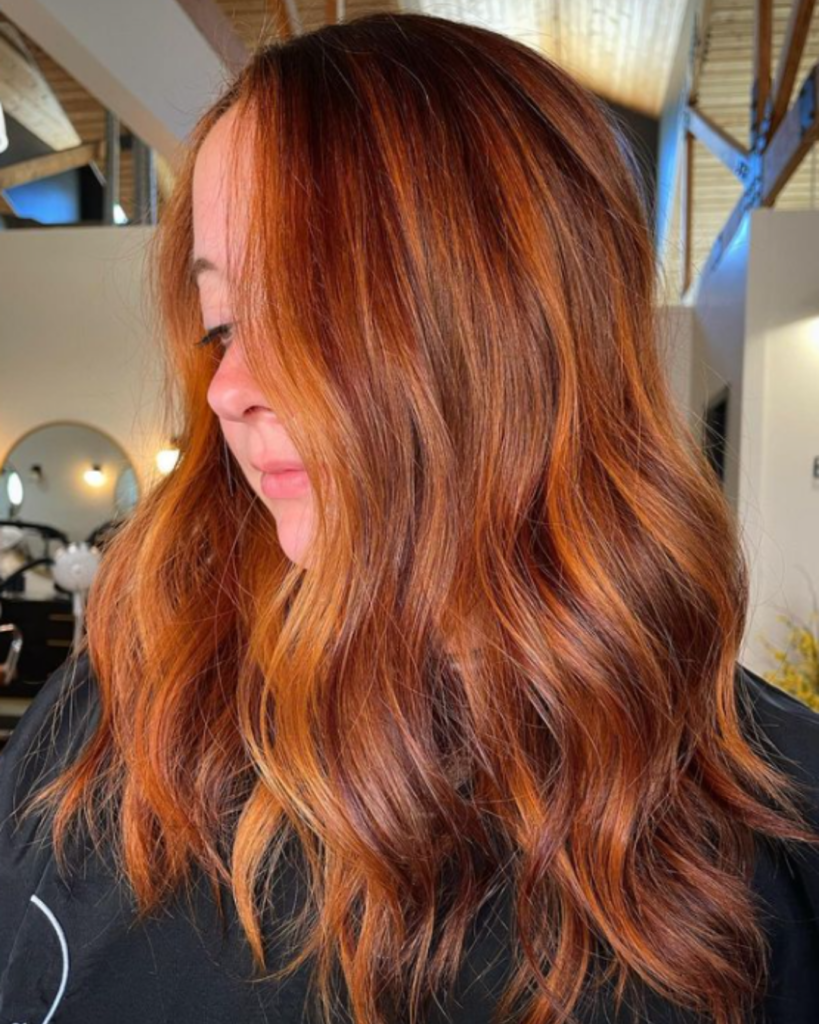
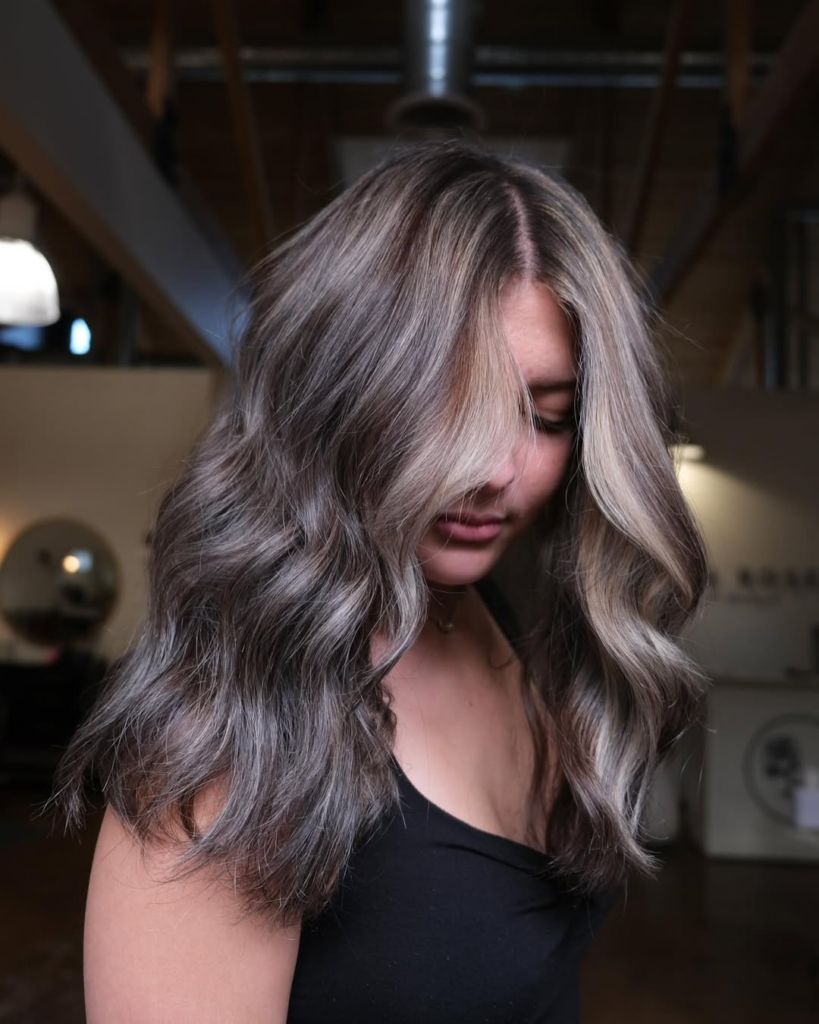
Coarse Hair
- Loves moisture and intentional shaping
- Often needs stronger products to smooth and control
- Color can require extra processing time for even results
When texture and thickness are considered together, results look more intentional — and last longer.
How Texture and Thickness Affect Salon Services
This is where understanding your hair really pays off.
- Haircuts: The same cut behaves differently on straight vs. curly hair, or fine vs. coarse strands.
- Color: Processing time, placement, and toners depend heavily on strand thickness and porosity.
- Treatments: What strengthens fine hair may not be enough for coarse or highly textured hair.
- Extensions: Not all extension methods suit all hair types — customization is key.
- Maintenance: Your ideal schedule depends on how your hair grows, fades, and wears over time.
There’s no “standard” formula — and that’s a good thing.
Why Consultations Matter So Much
When we ask questions about your hair history, lifestyle, and goals, it’s not to complicate things — it’s to protect your hair and give you the best possible outcome.
A thoughtful consultation allows us to assess:
- Texture, thickness, and density
- Current hair health
- Color history and expectations
- How much maintenance fits your life
This is how we create hair that looks beautiful and feels realistic to maintain.
The Goal: Hair That Fits Your Life
Trends come and go. Your hair should work for you.
When texture and thickness are respected, hair becomes:
- Easier to style
- Healthier over time
- More consistent between appointments
- More aligned with your lifestyle and routine
The most beautiful hair isn’t the trendiest — it’s the hair that feels like your best version.
If you’ve ever felt unsure about what will work for your hair, we’re always happy to talk it through. Understanding your hair is the first step toward loving it.