
If there’s one question we hear more than any other, it’s this one:
“So… what does a toner actually do?”
A totally fair question. Between formulas, levels, permanent vs demi, and all the color chemistry talk you hear in the salon, it can get confusing. Let’s break it down simply, correctly, and in a way that helps you understand your color better than ever.
First Things First: What IS a Toner?
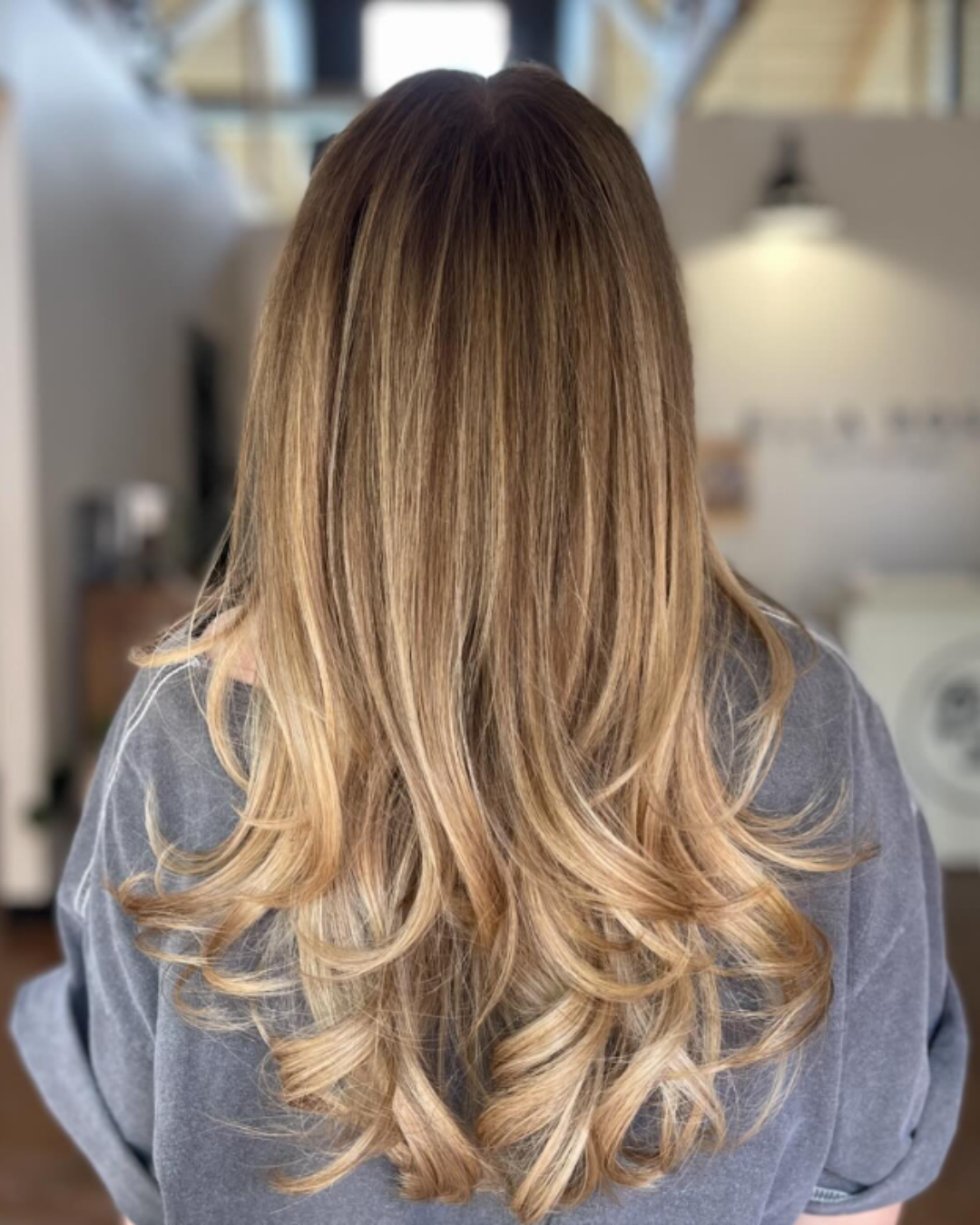
A toner is a refined color used after lightening to perfect your final shade.
It does not lighten the hair — it enhances what’s already there.
A toner will:
- Neutralize unwanted warmth (yellow, orange, red)
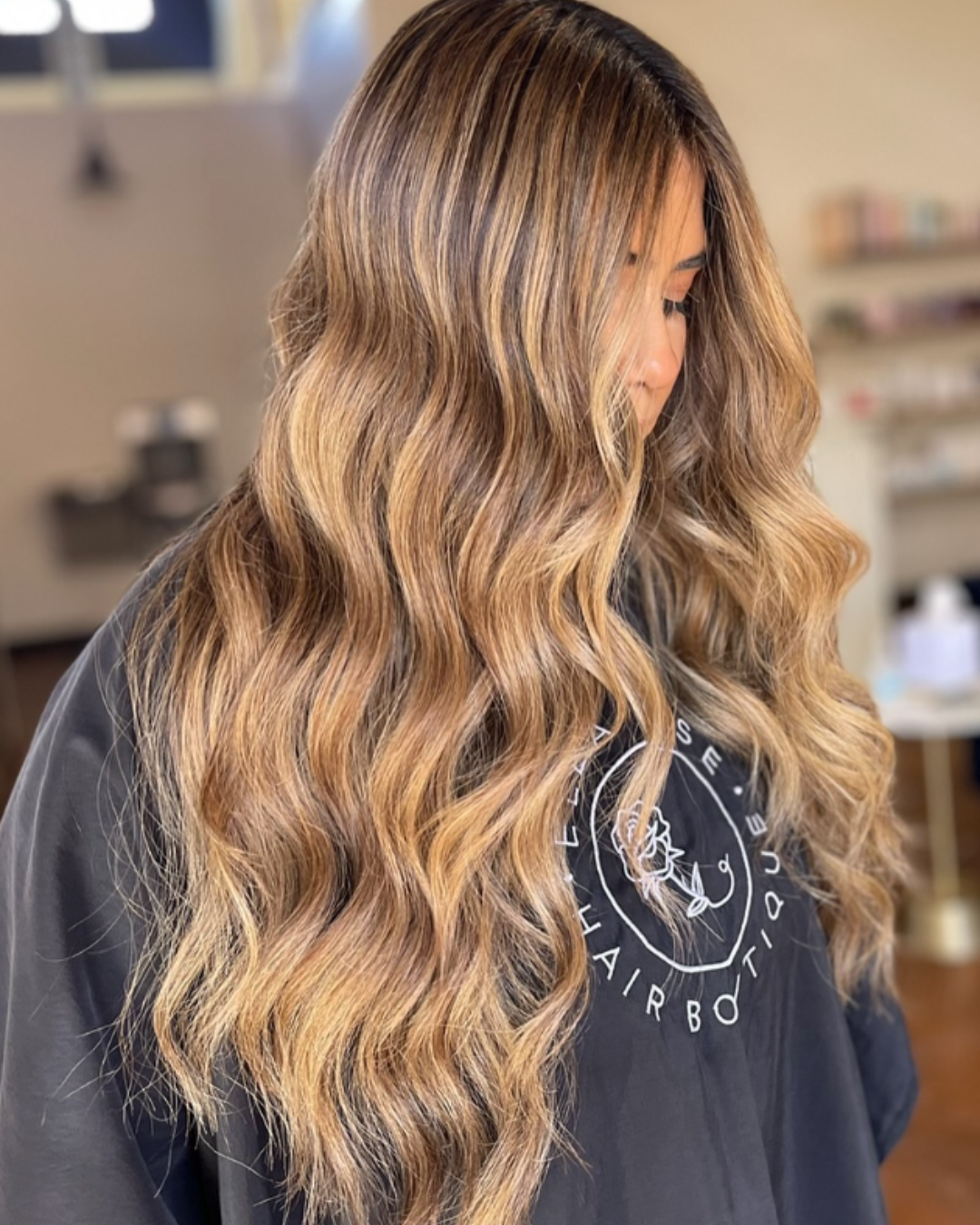
- Add shine and richness
- Shift your color slightly warmer or cooler
- Create that polished, expensive-looking finish
- Blend highlights and create dimension
Occasionally, the raw lift after lightening is exactly the shade we’re after, but more often, it’s the toner that adds that final touch of customization—the chef’s kiss that makes your color truly sing.
Why Toners Fade (and Why That’s Normal)
Toners sit in the outer layers of the hair, and lightened hair has a more open cuticle.
That means the pigments naturally:
- Rinse out
- Oxidize over time
- Fade faster with heat, shampooing, and sun exposure
A fading toner does not mean it “didn’t work.”
It means it worked exactly the way it’s supposed to — temporarily refining your color until it’s time for a refresh.
Permanent vs Demi vs Semi vs Direct Dye
(Why Your Stylist Chooses One Over Another)
Understanding this is key to understanding toners.
Permanent Color
- Permanently shifts your natural pigment
- Used for gray coverage or lifting your natural hair
- Not used for toning
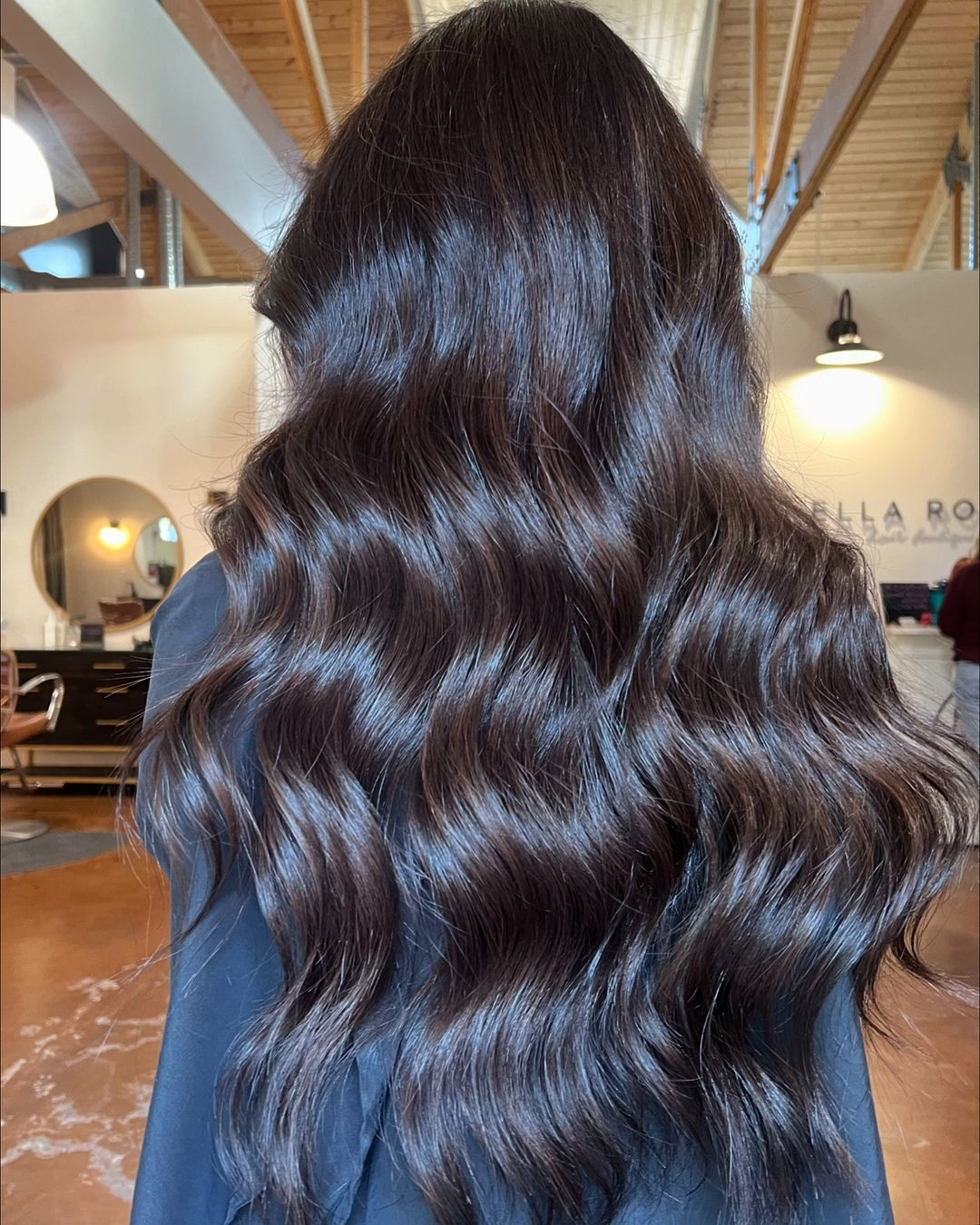
Demi-Permanent Color (Most Toners!)
- Gently opens the cuticle to deposit pigment
- Adds shine and subtle shift
- Ideal for toning blondes, brunettes, and balayage
This is what most stylists use for toners because it’s predictable, soft, and beautiful.
Semi-Permanent Color
No developer is used — the color simply coats the outside of the hair.
On healthy, uncolored hair, it adds shine and a slight tint that gradually washes out.
On lightened or porous hair, it behaves differently:
- It can fade quickly in some spots
- Or stain and grab dark in others
- It can also turn muddy or uneven if not carefully chosen
This is why toner choice is chemistry — and why “just tone it” isn’t always possible.
Direct Dyes
These are your bold, fashion shades like pink, blue, violet, or red.
They sit on top of lightened hair and can stain the cuticle permanently, even after the brightness fades.
The vivid color may fade quickly, but the leftover stain can linger for months or longer.
This is why toner selection is chemistry — it’s not as simple as “just tone it.”
When Toner Works… and When It Can’t
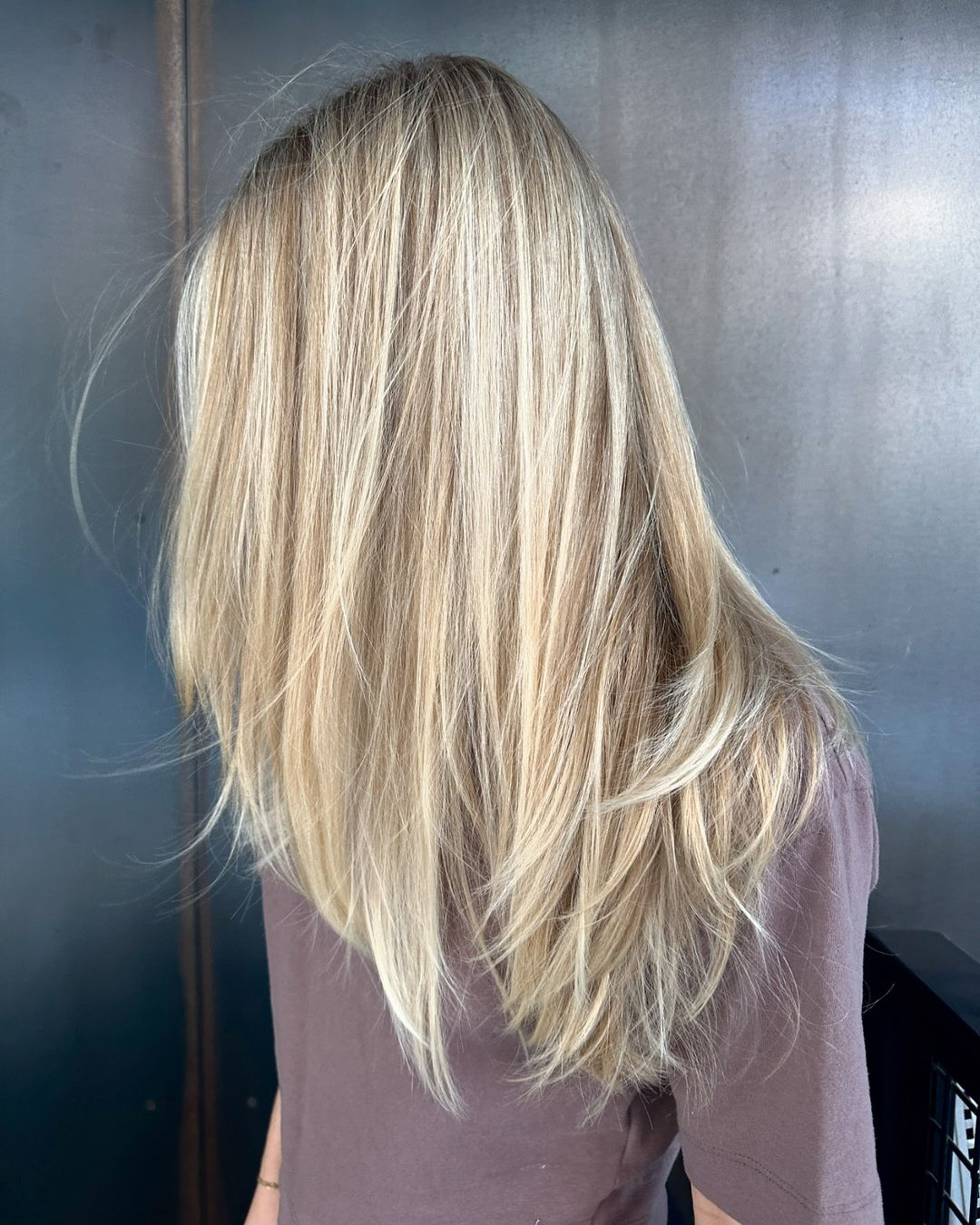
A toner can only refine a tone that already exists.
If the hair isn’t lightened enough, toners cannot:
- Make it ashy
- Make it beige
- Remove warmth that’s too deep
- Lighten dark color
Trying to force cool tones onto hair that isn’t light enough can result in:
- Muddy tones
- Greenish cast
- Flat, dull color
Sometimes “just tone it” is not the answer — and your stylist will protect your hair by telling you so.
So… Why Is Toner Such a Big Deal?
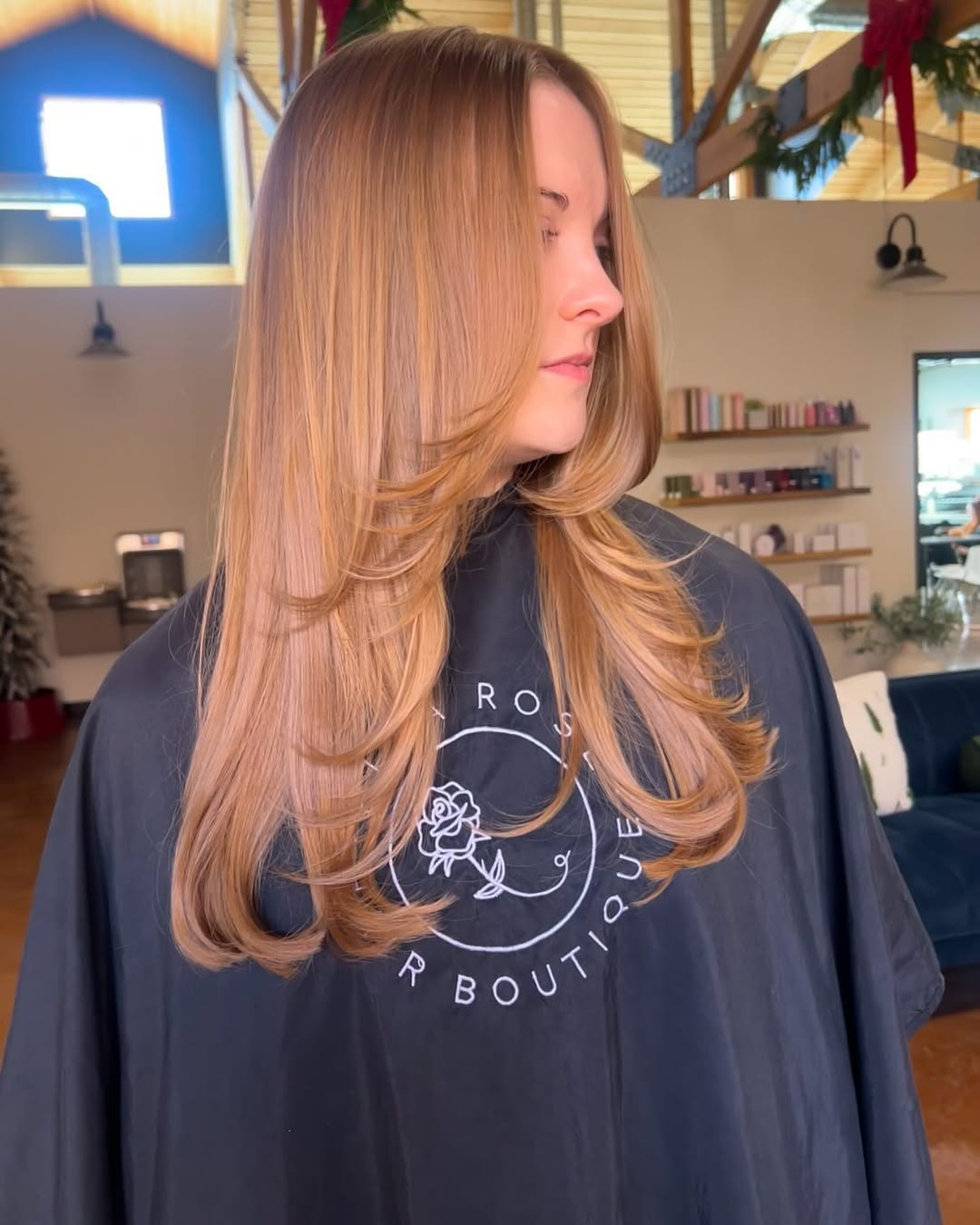
Because toner is what separates:
Fresh bleach from beautiful, dimensional, “I just spent money on this” color.
It’s the finishing step that:
- Blends your highlights
- Brings your balayage to life
- Softens brassiness
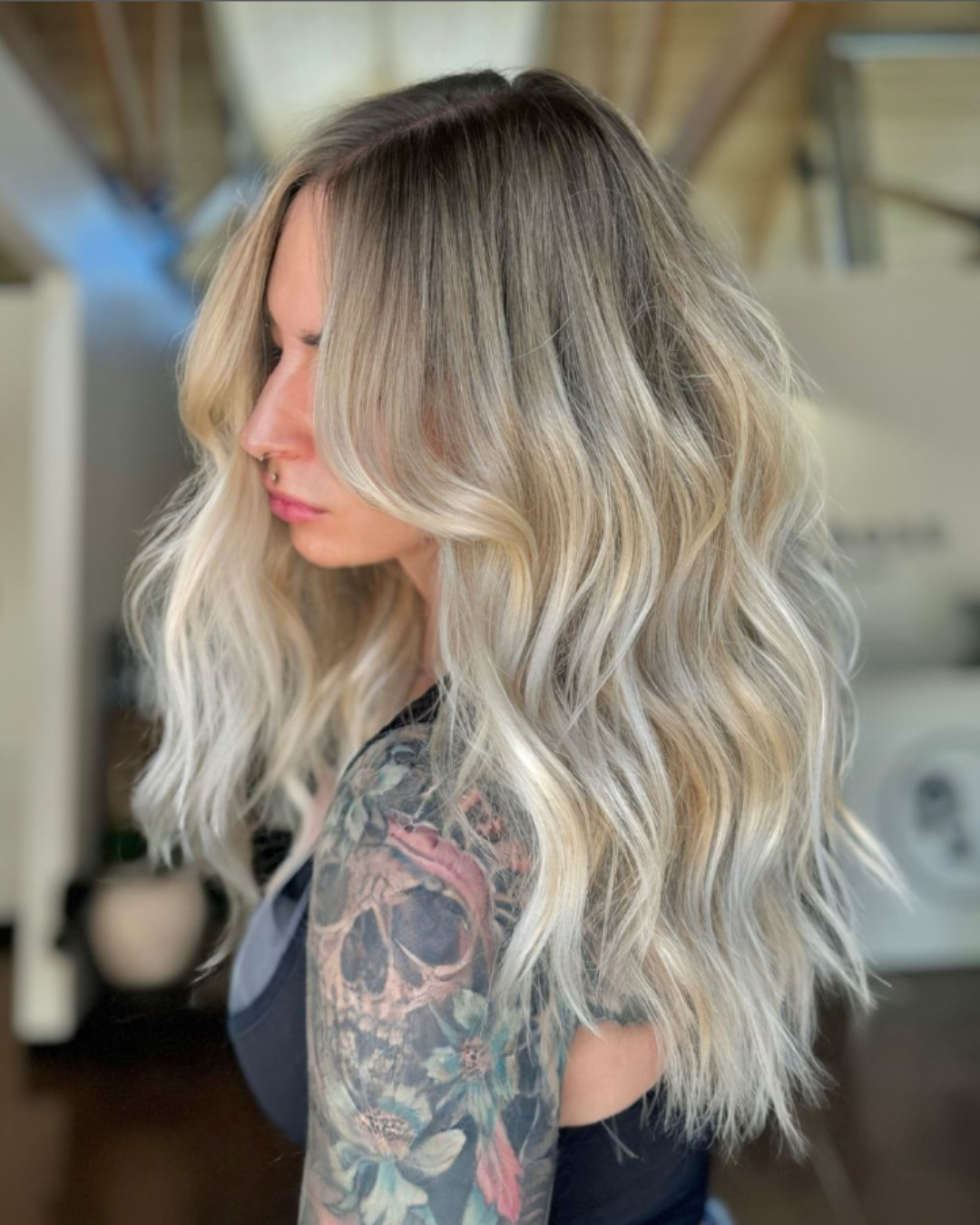
- Makes your blonde bright, creamy, or cool
- Gives brunettes richness and shine
- Keeps copper copper, not orange
A good toner is like the topcoat on a manicure:
It completes the look.
The Bottom Line
Hair color is chemistry — not guesswork.
- Permanent color alters your natural pigment.
- Demi-permanent color refines tone without long-term change.
- Semi-permanent color can either fade fast or stain forever, depending on the hair.
- Direct dyes live on the surface and are meant to make a statement.
And toners?
They’re the secret weapon that gives your color its beautiful finish.
If you love your highlights, balayage, brunette gloss, or seasonal refresh…
You probably have toner to thank.
Ready for your next tone-and-gloss refresh?
(Perfect every 6–10 weeks between big appointments.)